
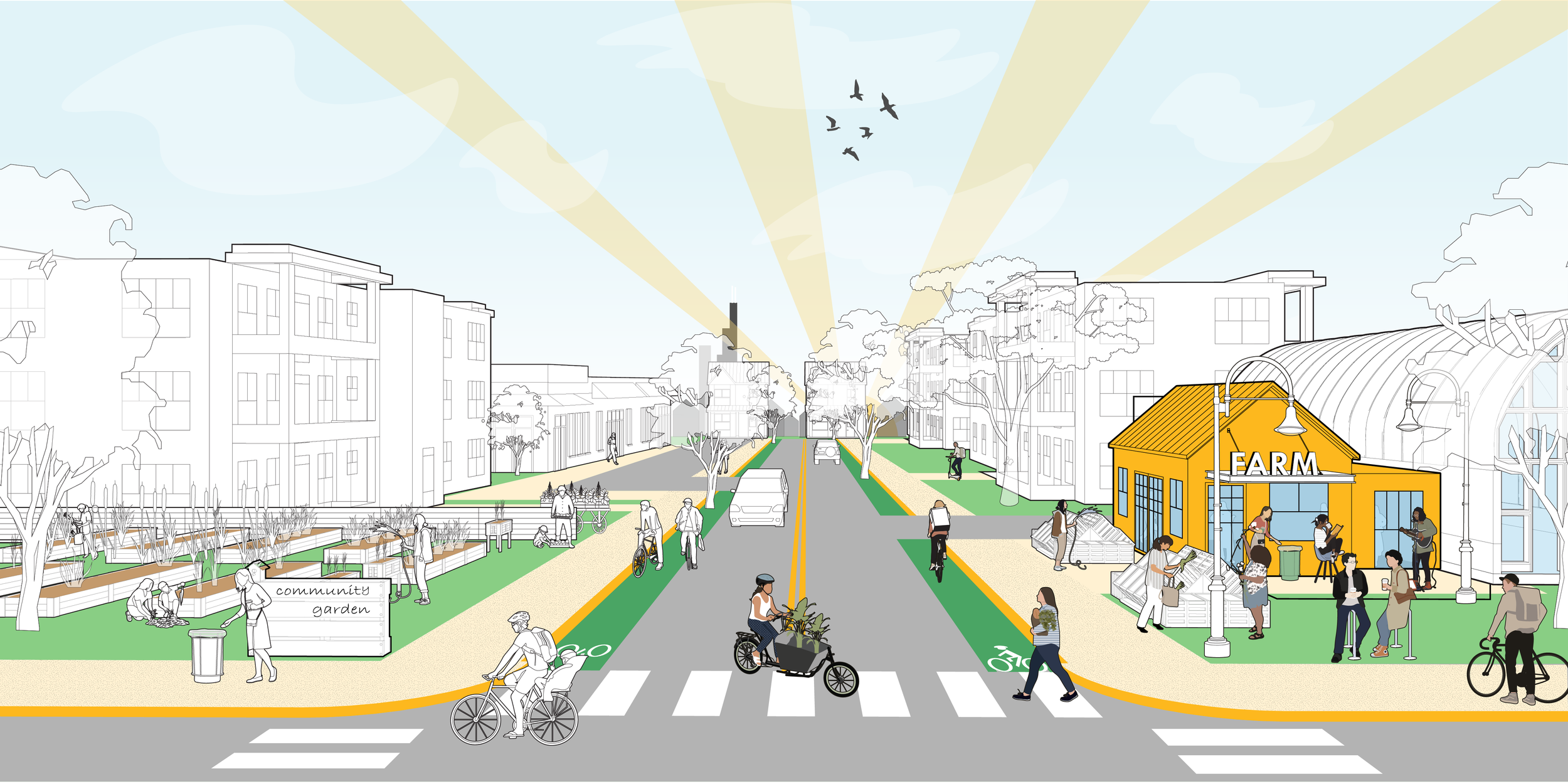
Urban Farms Toolkit
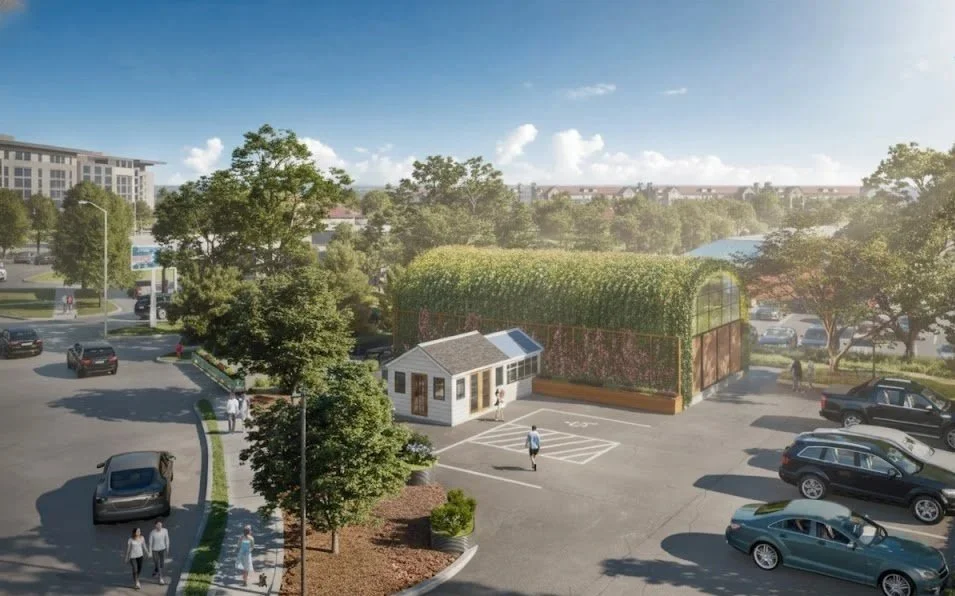
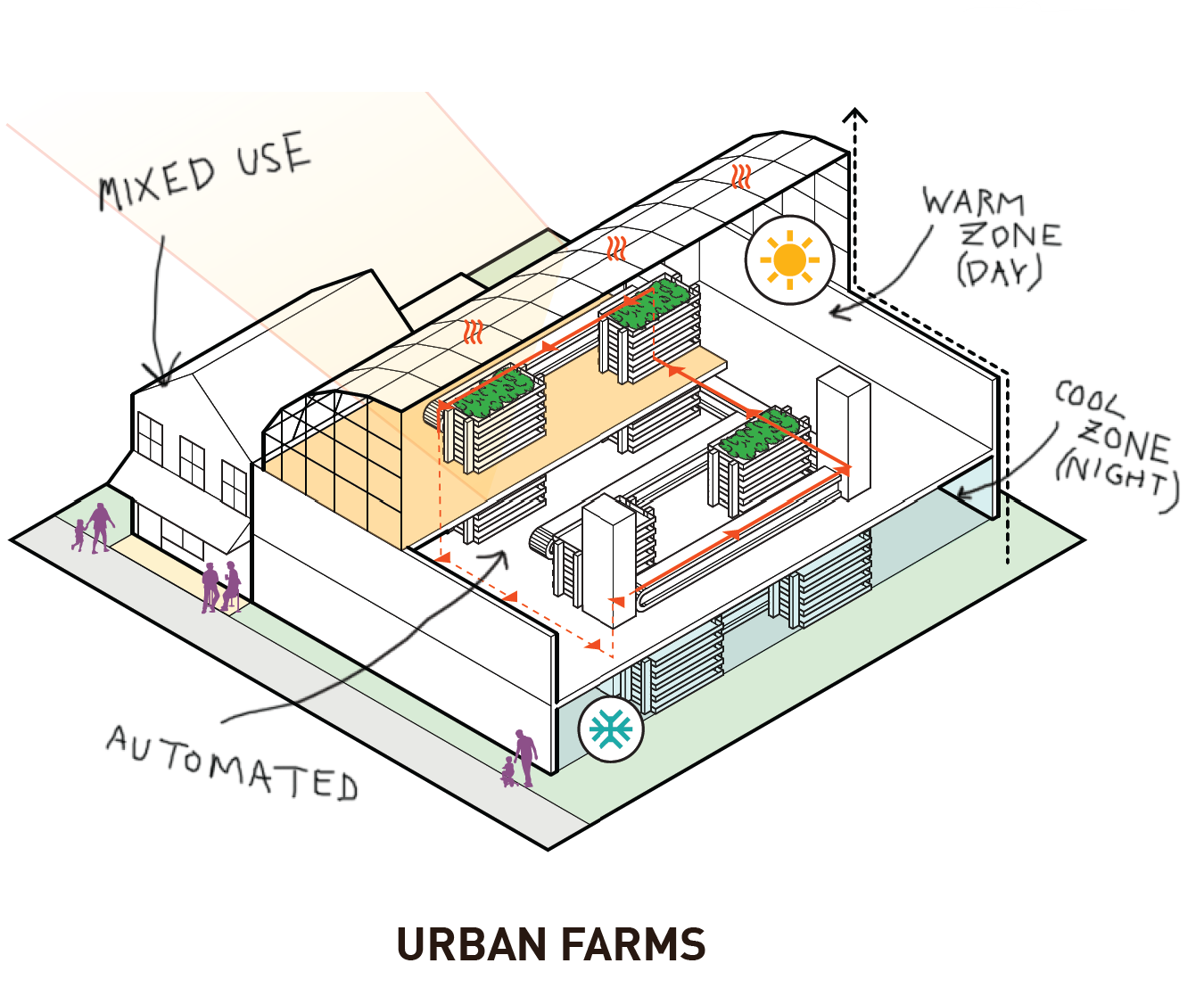
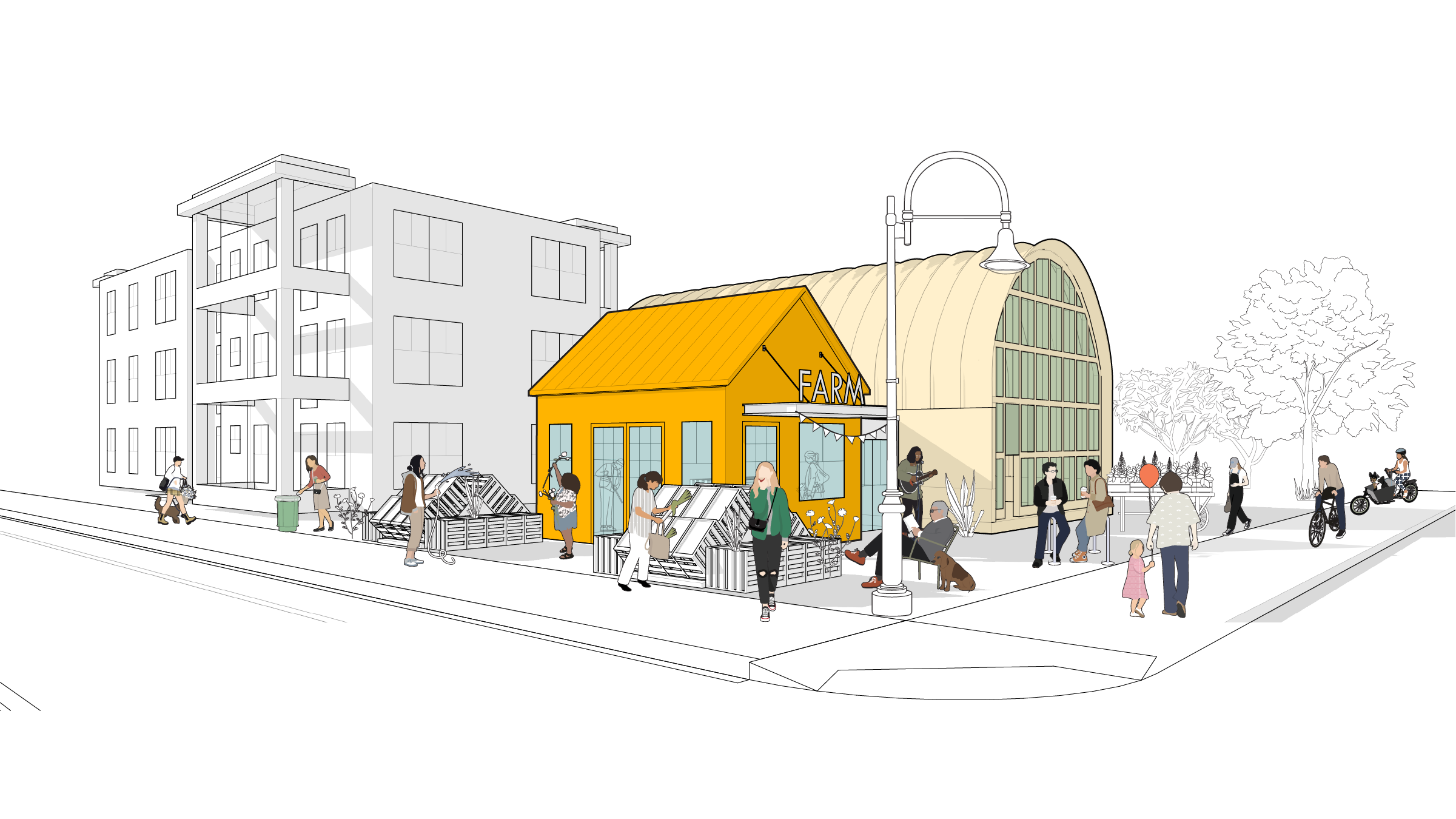
Urban Farming represents a strategic shift in land use: localized food production designed for the modern city. From indoor systems to adapted urban spaces, this model transforms underutilized real estate into productive assets that provide fresh herbs, fruits, and vegetables while driving hyperlocal economic growth. American cities are currently sitting on a vast archipelago of dormant assets. By unlocking specific land types, local governments can drive a new model of adaptive infill that grows food locally, incubates small businesses, and recirculates capital within neighborhoods…
…if they zone for it.
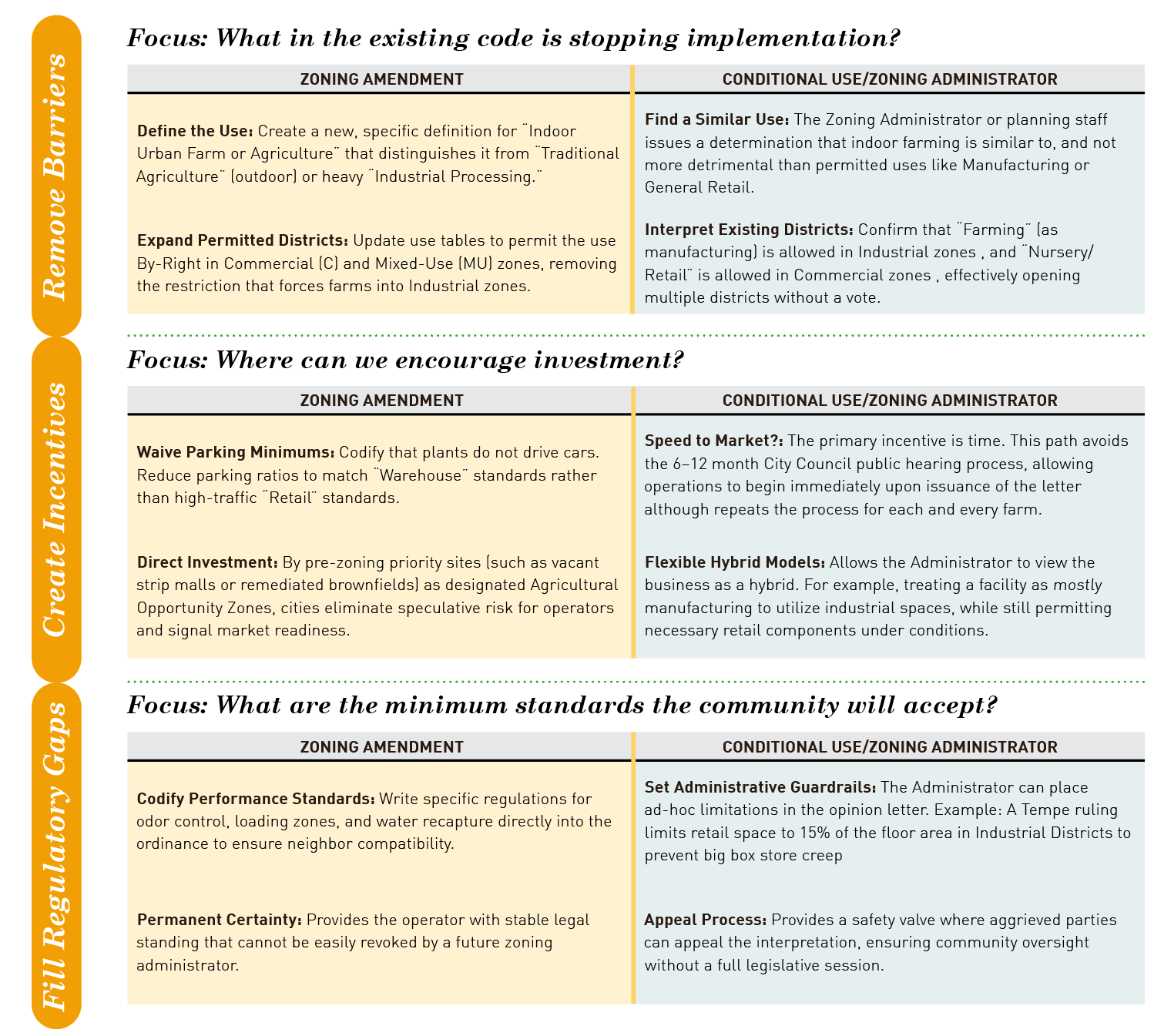
Here’s the rub: a century ago, many American cities grew with and around farms: food systems were local, seasonal, and woven into the urban fabric as an important economic pursuit. Over time, however, zoning laws, industrial agriculture, and suburban expansion pushed farming to the periphery. We’ve regulated more distance between consumers and producers. Modern zoning has inherited a ‘Euclidean’ bias, misclassifying climate-controlled indoor farming as heavy industry that forces entrepreneurs into the ‘CUP Trap’, a discretionary conditional review process that adds 20-30% to startup costs and scares off private investment.
The Urban Farms Toolkit offers strategic zoning reform designed to empower municipalities to turn underutilized land into productive food hubs, converting liabilities into assets that ensure food prosperity, economic stability, and community health.
Project Details
Client:
Area 2 Farms
Location:
Fairfax, Virginia
Status:
Completed
Tags:
Economic Development Strategies
Development Scenario Planning
Zoning Strategy & Policy Alignment
Market Analysis
Urban Design & Concepts
Services:
Urban Planning
Community Engagement