
Our Framework
Cities aren't designed.
They emerge.
Block by block, decision by decision, conversation by conversation — a place becomes itself through thousands of small moves no master plan can predict. Emergent Planning is how we work with that reality instead of against it.
The Idea, In One Flower
Urban planning? Try urban planting.
Say you want to grow a sunflower. You don't build it — no amount of blueprints will force it to bloom. What you can do is get the conditions right.

01 · The Seed
What people there were already trying to do.

02 · The Soil
The zoning, ownership, and economics under every lot.

03 · The Water
Steady, small investments — not one flood every thirty years.

04 · The Sunlight
Attention — noticing what's sprouting, and making room.

Get the conditions right, and you get your sunflower.

Places work the same way. Every lot, every block, every city needs the right conditions around it to grow.
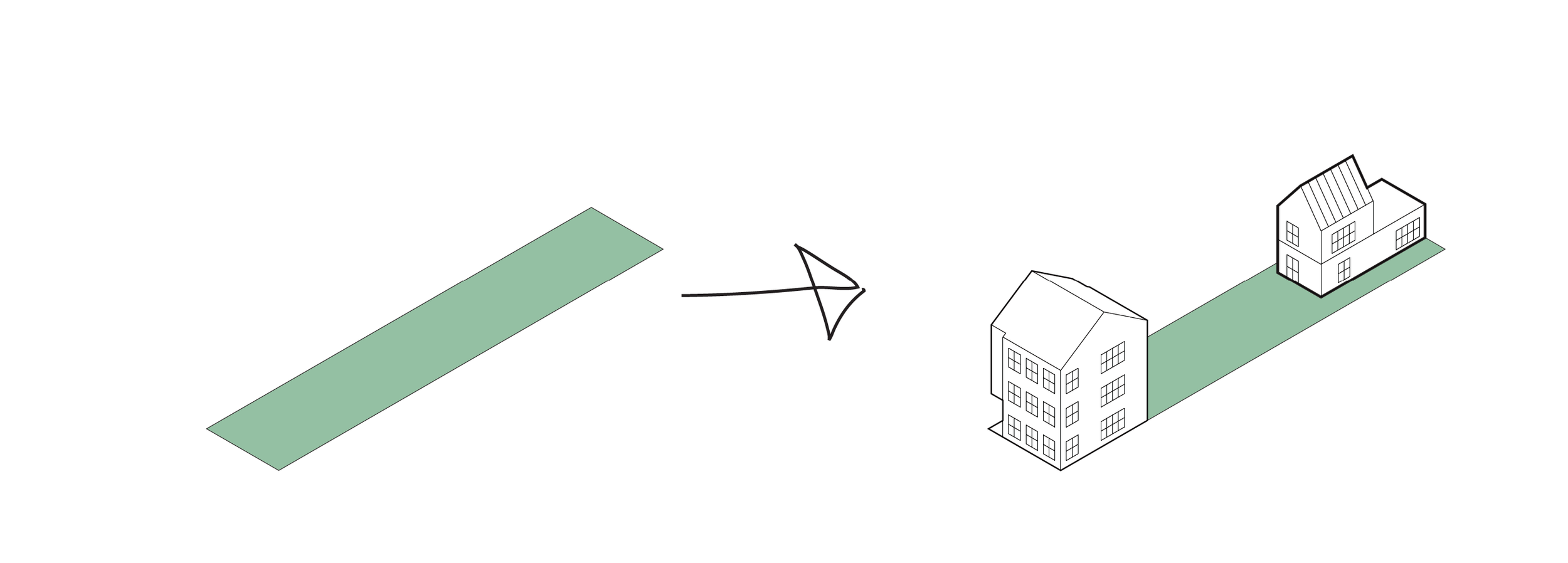
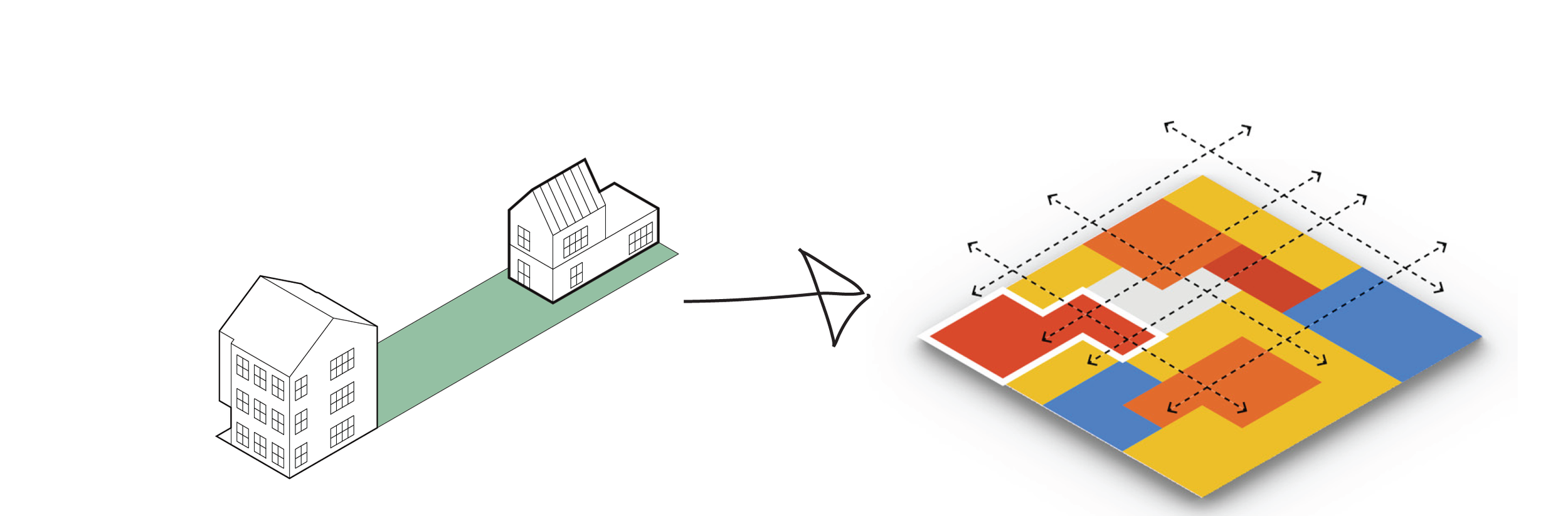
The planner's job isn't to design the outcome — it's to prepare the ground so growth can happen, incrementally, from the people who are already there. That's the difference between planning a place and planting one.
The shift
Traditional planning writes the ending first: a fixed vision, a static map, a thick stack of thou-shalt-nots. Then the place changes, and the plan sits on a shelf. Emergent Planning flips the sequence — observe what a place is already doing, then shape the guidance that helps it do it better.
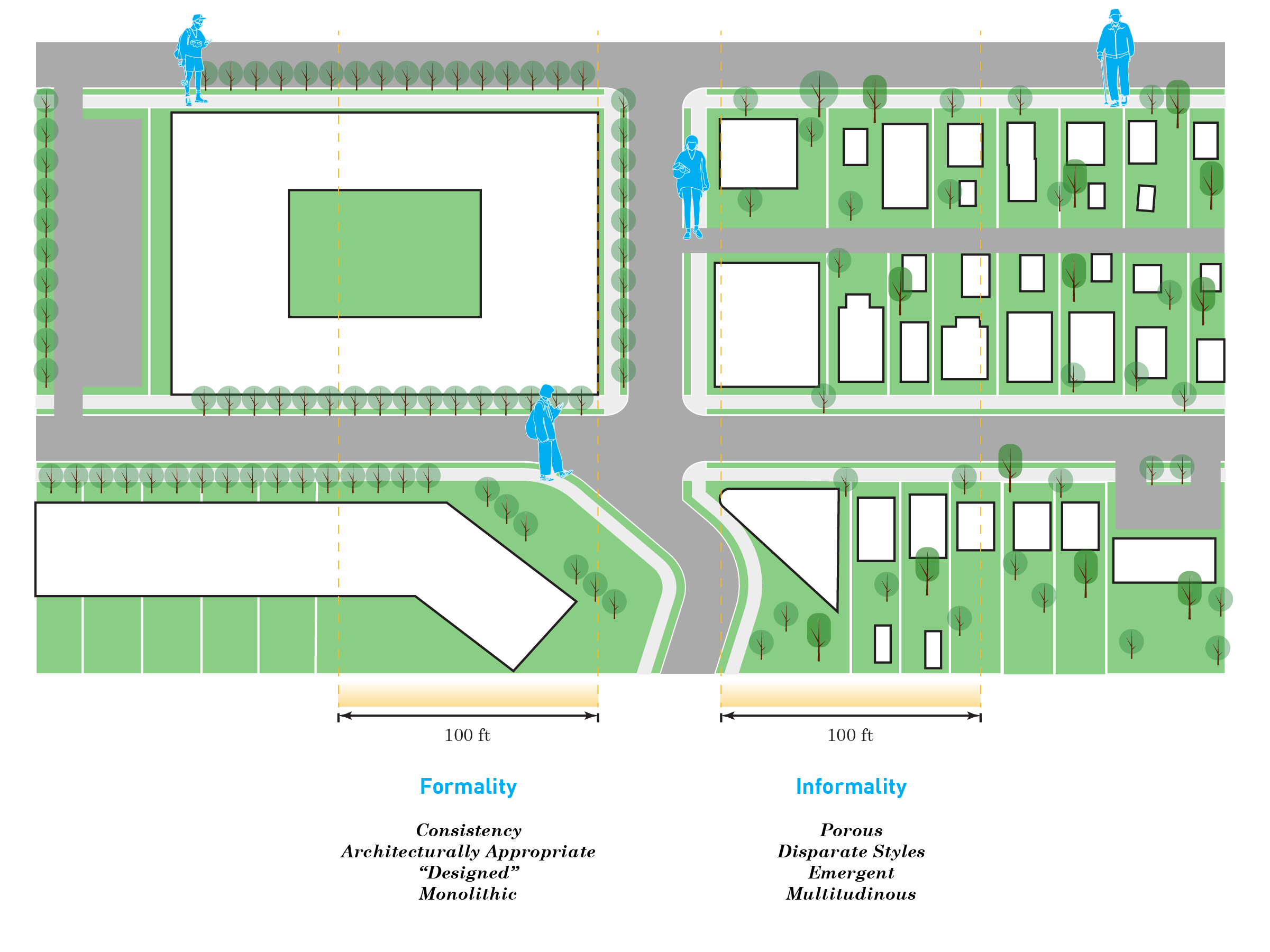
We read neighborhoods whole
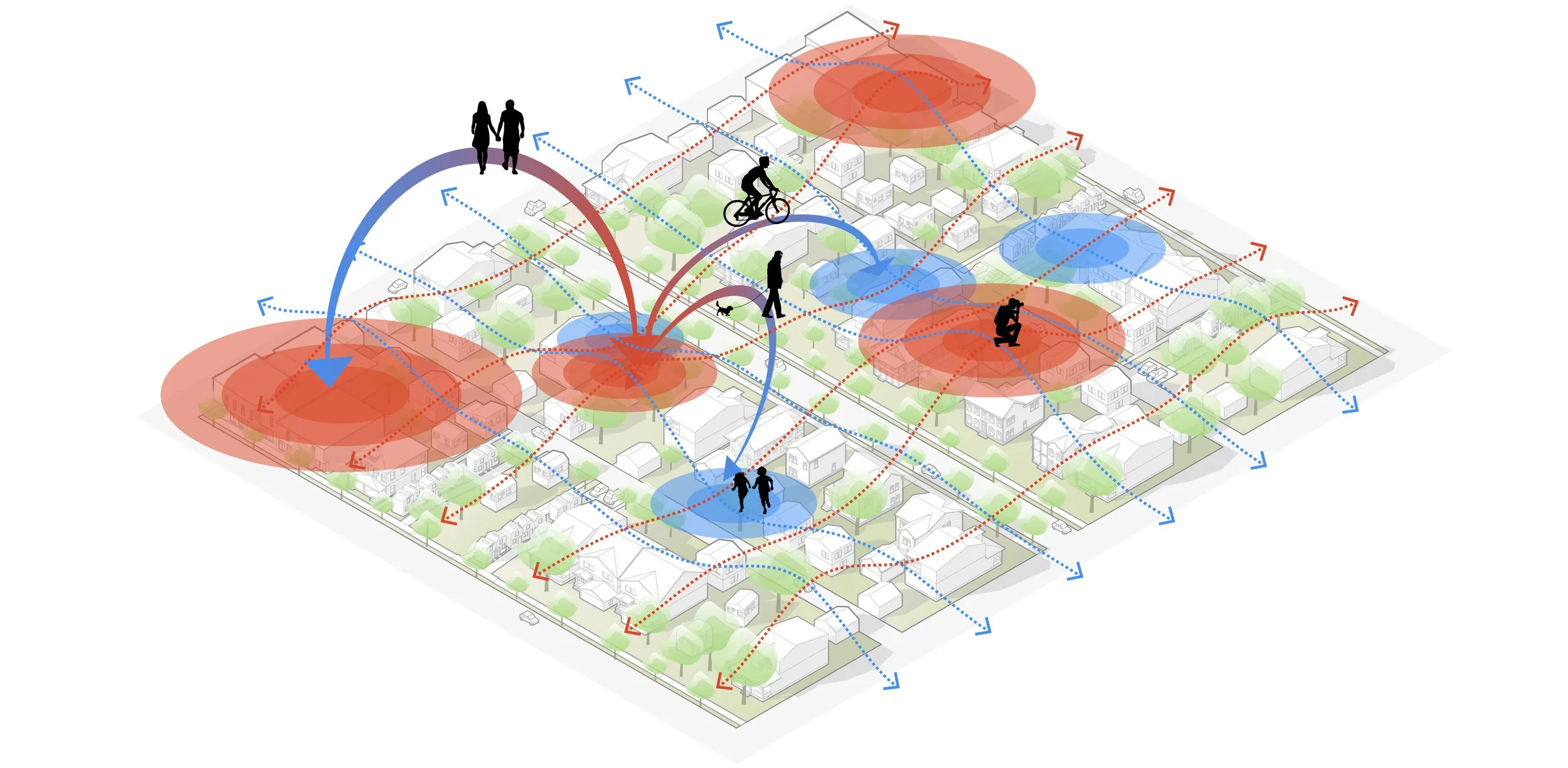
A neighborhood isn't a land-use map — it's homes, corners, gathering places, and the paths between them, all working as one organism. Emergent Planning starts by seeing the whole, so every small move strengthens the larger pattern.

Four commitments
Guidance, not guardrails
Good frameworks describe the character a community wants — form, scale, life at the street — and clear the path toward it. We help shape guidance that invites the next good thing instead of forbidding a hundred bad ones.
Start small, learn fast
A pop-up plaza teaches more than a year of projections. Pilots, temporary installations, and incremental development are how a neighborhood tells you what it actually needs — cheaply, quickly, and reversibly.
Listening is infrastructure
Engagement isn't a meeting on the calendar; it's a feedback loop that never closes. Placekeeping means the people who gave a place its character keep authoring its future — at every stage, not just the public hearing.
Make it stick
When an experiment works, it becomes part of how the place works — the pop-up becomes the pattern, the pilot becomes the practice. That's how momentum compounds instead of fading when the event ends.
How it works
Every engagement runs this cycle — on a single lot in a season, or across a citywide framework over years. The scale changes. The loop doesn't.
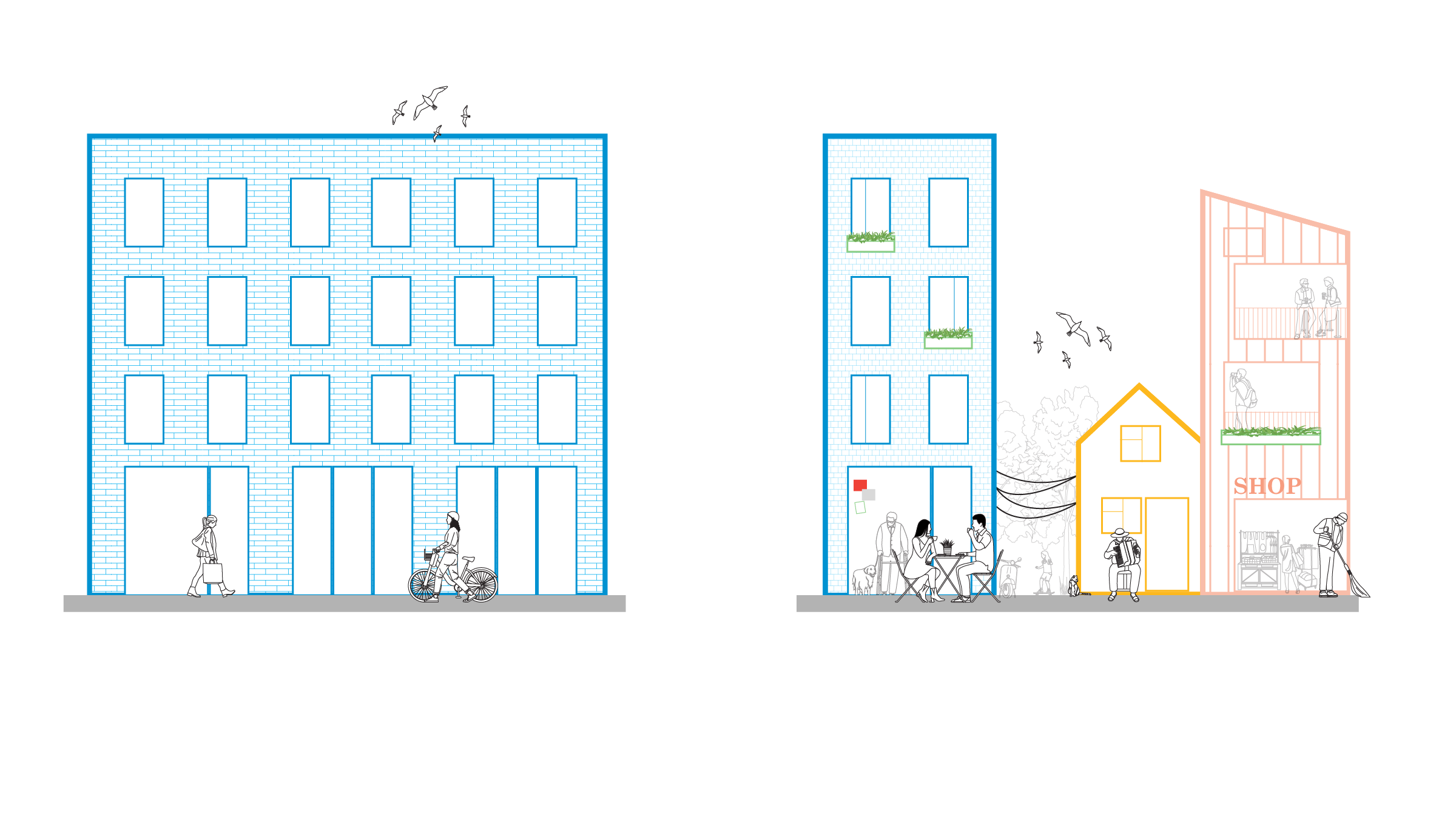
Thinking in diagrams
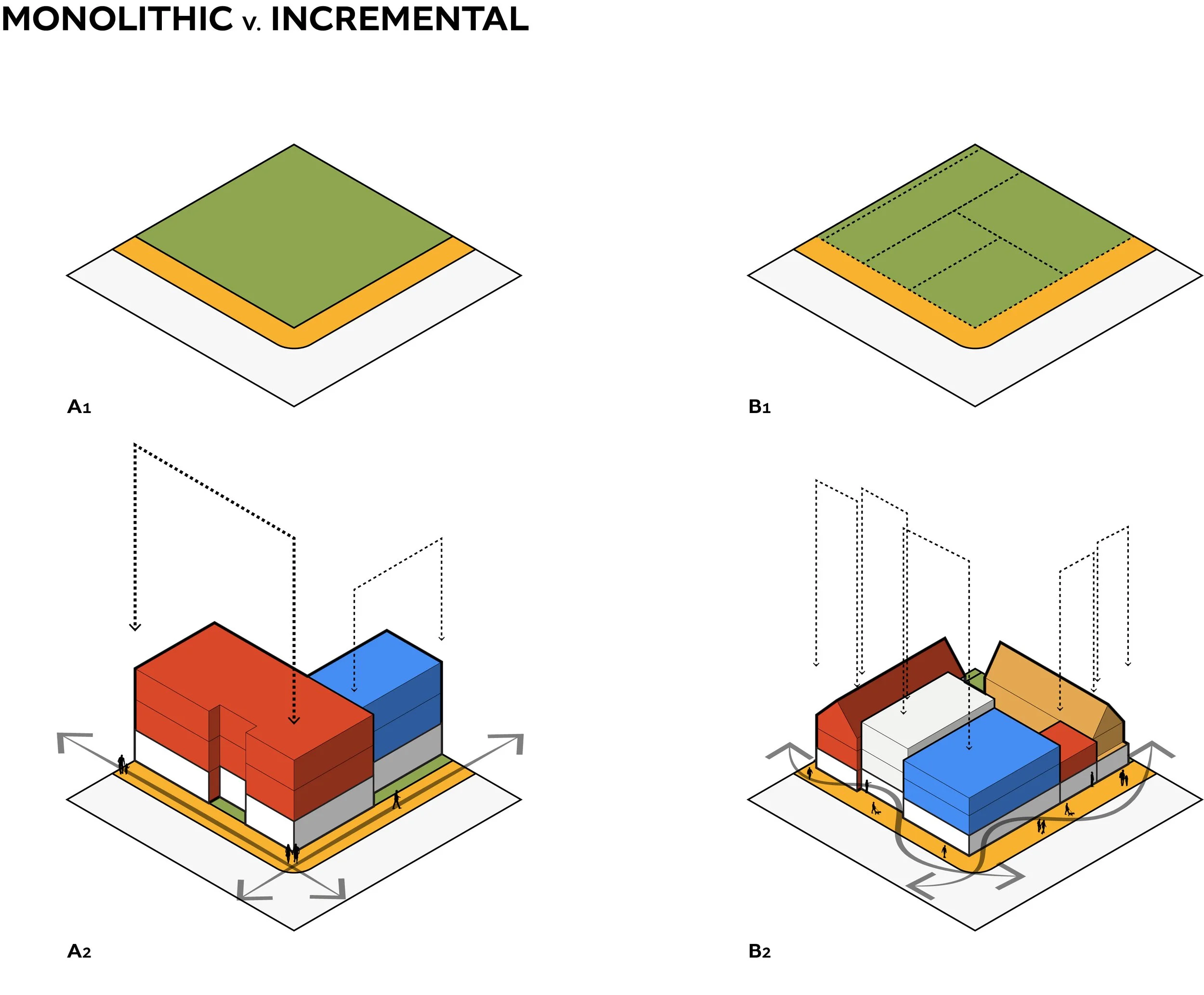
We draw to understand. These studies are how ideas get tested on paper before they get tested on the street.
Strong places that go
Emergent Planning isn't a diagram on a wall — it's a practice, and its measure is momentum. The outcome we're after is simple: places with the strength and the energy to keep becoming. Every project in our portfolio runs on it.
Let's talk.
Every project starts the same way: a conversation. Reach us however suits you.